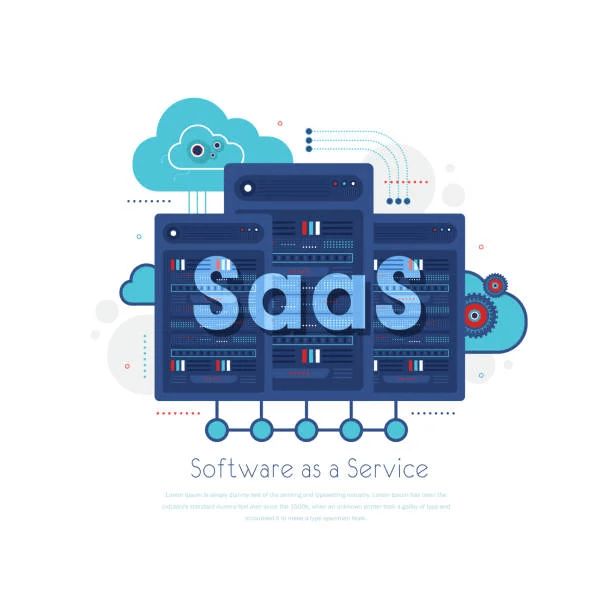
SaaS technology lets users access software over the internet while the provider manages hosting, updates, availability, and much of the operational complexity. That makes SaaS attractive for buyers, but it also creates product, security, billing, infrastructure, and support responsibilities for the company building it.
For founders, SaaS is not only a pricing model. It is an operating model. The product has to handle accounts, roles, subscriptions, onboarding, tenant data, uptime, integrations, support, analytics, and continuous improvement.
Hapy’s SaaS technology lens
Before building a SaaS product, we would clarify:
- Tenant model: Will each customer need isolated data, settings, roles, and billing?
- Subscription logic: What plans, limits, trials, upgrades, downgrades, and invoices does the product need?
- Security and permissions: Who can see, edit, export, delete, or invite users?
- Integrations: Which systems must the SaaS product connect to from day one?
- Reliability: What happens when usage grows, background jobs fail, or an integration is unavailable?
- Support operations: What will the team need to debug customer issues without compromising privacy?
Those decisions should shape the web application architecture, SaaS category, and product-market fit plan.
A fundamental grasp of the many components that are typically utilized is required before one can learn how to assess, evaluate, and build solutions including cloud computing.
The following categories of cloud services are examples of common ones:
-
“Infrastructure as a service,” or “IaaS.”
-
“Platform as a service” or “PaaS”
-
“Software as a service,” or “SaaS”
SaaS provides enterprises with a number of benefits, the most notable of which are flexibility and cost savings. When onerous duties like installing, administering, and updating software are handled by SaaS suppliers, staff are free to spend their attention on other areas of importance. Continue reading to find out precisely what software as a service (SaaS) is, the advantages it may provide to a business, the obstacles it may provide, as well as frequent use cases and new technology.
What is Saas?
A software deployment strategy known as software as a service (SaaS) is one in which applications are built by a third-party provider on a cloud platform and then made accessible to users over the internet. This implies that software may be accessible from any device as long as it has internet access and a web browser. Previously, the software could only be viewed on the local system where it was installed.

SaaS Deployment Models
Customers have the option of deploying SaaS using one of the following three deployment models:
1) Private Cloud
The term “private cloud” refers to a type of cloud computing in which the underlying computing infrastructure is designed specifically for the use of a single company that serves several customers. The organization may own, manage, and operate the infrastructure, or a third party or any mix of the two may do so. Additionally, the framework may be located either on or off the organization’s premises.
2) Public Cloud
The term “public cloud” refers to a type of cloud computing in which the underlying computing infrastructure is made available for free and open usage by the general public. The infrastructure might be owned, controlled, and run by a private company, an academic institution, the government, or any combination of these three types of institutions. It is situated within the physical location of the cloud service provider.
3) Hybrid Cloud
Cloud software that is primarily developed on one kind of architecture but has the potential to move to another form of infrastructure in case of high demand is referred to as a hybrid cloud. The mobility of both data and applications can be enabled by standardized or proprietary technologies.
SaaS Characteristics
As a result of the fast expansion that the worldwide SaaS business is experiencing, an increasing number of applications that are based on SaaS are expanding at a rapid pace. Is each of these applications truly a SaaS offering, or are the sellers simply labeling everything they sell as a SaaS product? It will be fascinating to have a better understanding of the characteristics that define a Software as a Service application.

The following is a list of features that SaaS applications must-have, features that would be great to have, and essential characteristics of SaaS apps:
1) Provisioning that is Fully Automated
Provisioning must be automated so users may utilize SaaS apps on demand. B2B/B2C clients use SaaS programs, which include creating companies/users and giving credentials. Microsoft’s CREST API uses this feature. CSB systems automate SaaS on-demand access. De-provisioning removes user/organization access to SaaS products. Salesforce manages sales duties. Salesforce APIs create an enterprise tenancy. Another API creates tenant users and distributes credentials. A removal API is called when an app is discontinued.
2) Model of multi-tenancy
One distribution of a software program can support several tenants in a multi-tenancy environment, which is a type of software architecture. Every single patron is referred to as a renter. There is a possibility that tenants will be provided the ability to personalize certain aspects of the application. However, modern solutions are designed in a way that each tenant’s storage space is kept separate. This can be accomplished by using an entirely different database, by using different schemas within the same database, or by using the same database but adding discriminators.
3) Billing through Subscription
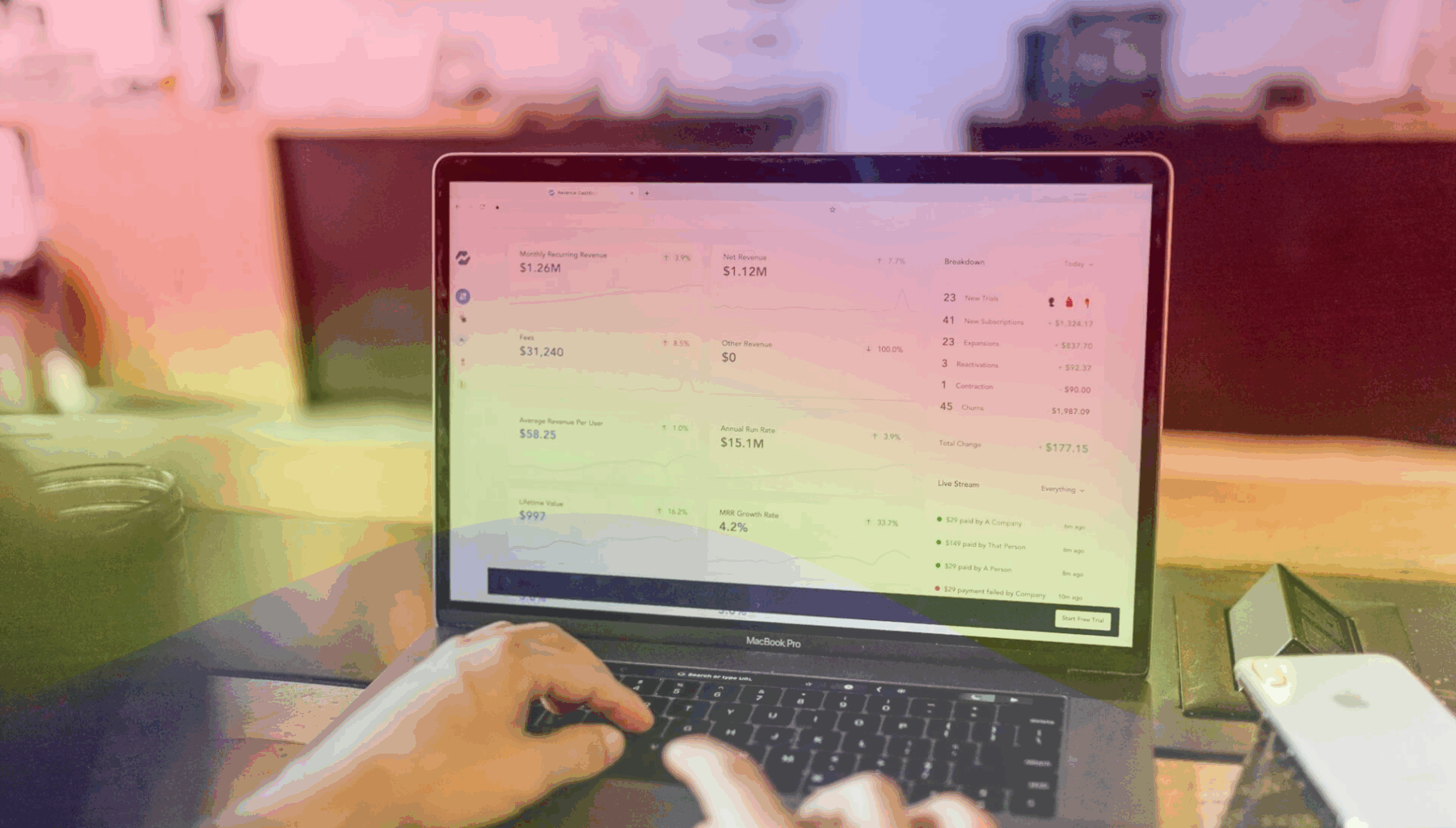
SaaS price doesn’t include licensing and upgrade costs. Saas programs are often subscription-based, allowing consumers to acquire them when needed and stop them when not needed. SaaS apps charge based on the number of seats purchased. It has monthly/quarterly/half-yearly/annually fixed price models and billing cycles. Few SaaS apps provide usage-based charging. SaaS apps should be billable. CSB systems need this capability to send clients a single invoice.
4) Single Sign-On (SSO)
An enterprise firm needs a single identification system to identify user systems. This is safe and efficient. Businesses must also have a website where users may log in and access all SaaS apps delivered to them. Therefore, SaaS apps should be easily integrated into a variety of ID systems. Managing several sets of credentials for each system used by corporate users presents a maintenance load for businesses.
Single Login for SaaS services is important so they can verify against an established authentication technique and allow users to log in once to use many systems. Saas services usually employ SAML or OpenID impersonations to enable this feature. Because SaaS services are multi-tenant, each customer will need an IAM system. Another important consideration.
5) High Accessibility
The availability of software as a service (SaaS) applications is typically anticipated to be rather high across the board because these programs are shared by different tenants. Therefore, the Saas applications should offer their consumers a high level of service level agreement (SLA). Applications should be available around the clock, every day of the week. Additionally, administration and monitoring APIs must be exposed by SaaS services so that availability and health may be regularly monitored.
6) Data Security
In today’s world, it’s crucial to protect sensitive data and corporate information against loss, theft, or compromise. Given that SaaS services are meant to be used by several tenants concurrently, data security is crucial. Certain tenant data must be encrypted and unavailable to other renters. SaaS services must include a Key Management System or the ability to integrate with other Key Management Frameworks. Integrating a CASB system will increase data security. Role Based Access Controls must be implemented to protect data.
7) Infrastructure that is adaptable
SaaS application utilization might fluctuate drastically from month to month. The apps’ infrastructure should be able to increase and reduce resources. SaaS apps today identify infrastructure activity. Monitoring agents in deployment resources inform management servers of resource availability. The core architecture includes typicality, rules, and methods to expand/contract infrastructure resources. Microarchitecture-based SaaS apps are traditional. Docker and Kubernetes handle SaaS elasticity. Build a policy system to receive and respond to events, such as infrastructure expansion/contraction.
8) Audit
Customers are given the ability to formulate a business strategy through the implementation of business intelligence strategies, as records of business transactions are typically included in the functionality of SaaS apps. These services should also be compliant with the restrictions imposed by the government as well as any internal policies.
The Benefits of SaaS Technology
For software companies, SaaS creates recurring revenue potential, but it also creates ongoing responsibility. The team is not only selling code; it is operating a live service with uptime, support, security, customer onboarding, billing, analytics, and continuous improvement.

The following is a list of additional advantages:
-
Accessibility denotes the capacity to operate 24 hours a day, seven days a week, and from any gadget conceivable via a web browser.
-
No installation, software upgrades, or traditional methods of licensing management are required for operational administration.
-
Economically Sound: There are no up-front hardware fees, and you may choose from a variety of payment ways, including pay-as-you-go models.
-
Scalability is the capacity to easily adapt a system to meet changing requirements.
-
Cloud storage is utilized on a consistent basis in order to back up data.
-
Access to various data reporting and analysis tools is referred to as analytics.
-
Improve Safety Cloud service companies put a significant amount of money and effort into developing their security technologies and expertise.
The following are some of the business contexts in which software as a service might be useful:
-
SaaS will come in useful for startups and small enterprises when they do not have the time, budget, or knowledge to construct their own apps or host apps on-premises. SaaS may be accessed over the cloud.
-
Larger businesses could employ software as a service (SaaS) for projects or solutions that are only needed temporarily or for part of the year.
-
When working with applications that need to be accessed through the web as well as mobile devices, every firm may profit from using SaaS technology.
When it comes to straightforward apps that can be accessed through public clouds, implementing SaaS may be quite uncomplicated and done through self-provisioning. On the other hand, vendors must provide hands-on deployment and training for customers using SaaS products built for private clouds.
Challenges and Risks of SaaS
It should come as no surprise that the most significant benefit of adopting SaaS is also its most significant drawback: the requirement of an active internet connection. If you have a solid connection that is dependable, then it’s a plus for you. It goes without saying that it’s not a pro if you don’t have a reliable connection.

It’s becoming less of a concern as higher bandwidth and higher speed networks, like 5G, become more widely available. However, before settling on a decision to go for a SaaS solution, there are many more situations that should be considered.
The following are some examples of additional difficulties:
-
Loss of Control: Because the vendor is in charge of everything, you will be completely dependent on the capabilities of the vendor.
-
Limited Modification: The majority of software-as-a-service (SaaS) programs provide just a limited amount of customization options from the provider.
-
SaaS solutions often have a lower speed and higher latency compared to client/server applications.
Even though the SaaS provider is responsible for the application’s overall security, users should nonetheless exercise extreme caution while handling sensitive data.
SaaS security and privacy
The cybersecurity dangers that come with using saas are not the same as those that come with using traditional software. Traditional software places the responsibility for eradicating code-based vulnerabilities on the shoulders of the program provider. At the same time, it falls to the user to ensure that the software is being executed on a reliable infrastructure and network. As a consequence of this, the independent software provider and the third-party cloud provider have a greater amount of duty regarding data safety.

In spite of the widespread acceptance of cloud solutions for serviced software goods, businesses continue to have concerns over the level of security and privacy provided by software-as-a-service (SaaS) products. These worries include the following:
-
encryption and maintenance of key pairs;
-
administration of identities and accesses (also known as IAM);
-
surveillance for safeguarding;
-
incident reaction;
-
inadequate integration into larger and more company-specific security infrastructures;
-
compliance with data residency obligations;
-
data privacy;
-
the expense of investment in third-party technologies as a hedge against the security risk posed by SaaS; and
-
During the process of making sales, there was a lack of contact with technical specialists.
How to Follow the SaaS Business Model?
The SaaS business model remains one of the most popular ways to build a software company. It allows you to develop your product quickly, iterate it easily and sell it without having to worry about distributing physical products.

To start with, you need to find a problem that people have and then try to solve it using the software. Once you’ve identified your target audience, you can write up a lean plan and validate your idea by talking to them about it. Once you know that there are enough people who will be interested in your product, you can explore pricing models and initial customer acquisition strategies.
After that, it’s time to establish your brand and make sure everything is legal before moving on with other steps like financing and funding or building your product. Finally, once everything else has been taken care of, establish metrics for success!
There are 10 steps that you should take when starting out in this business model:
1. Develop a solution for a problem.
2. Write up a lean plan.
3. Validate your SaaS idea.
4. Explore pricing models and initial customer acquisition.
5. Establish your brand.
6. Make it legal (or at least figure out how to do it).
7. Financing and funding: How much money do you need, who’s going to give it to you, and what are they going to expect from their investment?
8. Build your product: Focus on quality over quantity here—you want something that will impress people from the moment they use it!
9. Develop your go-to-market strategy: This is where all of those marketing classes paid off! Be sure
Examples
SaaS includes email and chat apps. Accessing Microsoft Outlook through the cloud can impact workplace culture. Email is the most popular form of communication, but Slack and Zoom are gaining ground.
Others increase data storage, organization, and maintenance. SaaS marketing automation technologies and CRM solutions help firms achieve their goals.
Some common examples are:
-
Google Workspace: Google’s solution to company efficiency issues. It includes email, word, sheets, presentation deck, shared calendar, cloud storage, etc.
-
Salesforce: CRM connects organizations and customers. It’s an integrated CRM software that offers all departments a unified customer perspective.
Hire Hapy for SaaS Development
The popularity of traditional applications that require manual installation on individual computers is on the decline. The moment has come to adapt to the changing times and start focusing on SaaS development. SaaS technology is essential for every software company that wants to succeed in the long run.
This is why you need to take advantage of Hapy and similar industry-leading development and design services, which have extensive knowledge and expertise in creating successful SaaS applications. Your dreams of creating a revolutionary SaaS solution that will change the face of business can become a reality with our aid.
Want to turn your brilliant concept into a successful SaaS business? At Hapy, we’re confident that we have just the answers you’re looking for.
Final Words
As organizations create new cloud computing technologies, cloud computing use will accelerate. Some organizations expect a mobile-focused SaaS renaissance. Other organizations believe AI will lead the SaaS industry in logistics, transport, and retail.
The SaaS model will develop with technology. Fully prepared solutions will have a place in the industry. SaaS helps both providers and users. Companies will require IT specialists that can assess, evaluate, and build cloud computing solutions.
If you’re interested in developing your own SaaS, Hapy can help.
Further questions
What does SaaS mean in technology?
SaaS means software as a service. Users access the software through the internet while the provider operates the application, infrastructure, updates, availability, and core security controls.
Can I customize SaaS software?
Many SaaS products can be configured through roles, fields, workflows, dashboards, themes, and integrations. Deep customization may still require APIs, automation, custom software, or an enterprise plan.
What makes SaaS different from traditional software?
Traditional software is often installed and maintained locally. SaaS is hosted and updated by the provider, usually sold through recurring pricing, and accessed through a browser or connected app.