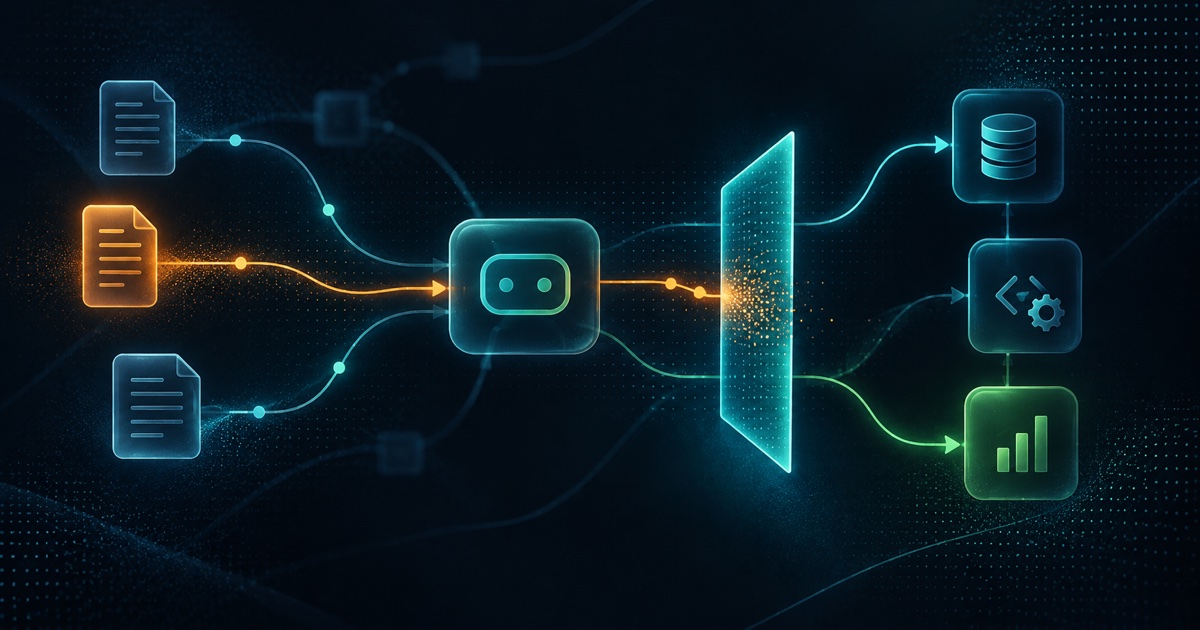
Software is not one category. It is a stack of tools, systems, and products that do very different jobs.
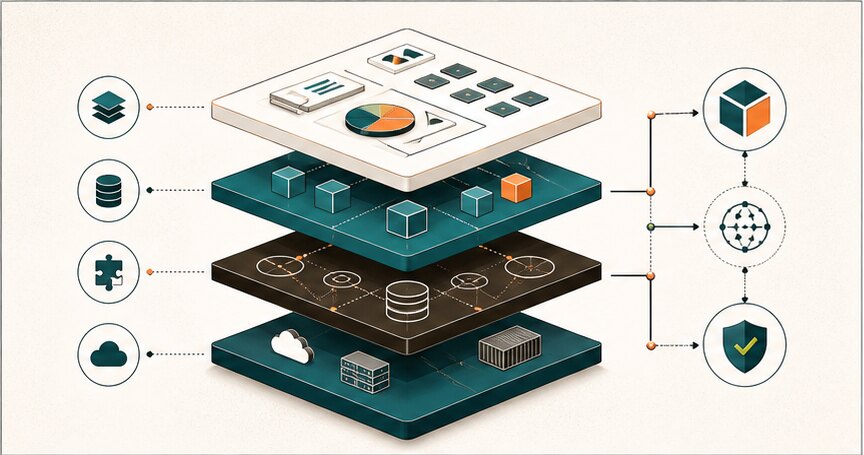
For a business leader, the useful question is not “what are all the types of software?” The useful question is: which type of software affects the work we are trying to improve?
Some software runs devices. Some helps employees do daily work. Some powers customer-facing products. Some connects data, operations, finance, and support. Some is bought from a vendor; some is built because the business has outgrown generic tools.
The wrong software decision creates drag. Teams copy data between tools, leaders lose visibility, customers hit broken workflows, and technical teams spend time patching process problems instead of creating leverage.
The main types of software
The classic software categories are still useful, but only if you connect them to business decisions. IBM’s software development overview uses similar high-level categories, including system software, programming software, application software, and embedded software.
| Type of software | What it does | Business example |
|---|---|---|
| System software | Runs the hardware and core computing environment | Operating systems, drivers, device utilities |
| Application software | Helps users complete tasks | CRM, accounting tools, design tools, browsers, email |
| Development software | Helps teams build software | Code editors, compilers, CI/CD tools, testing tools |
| Embedded software | Runs inside physical products or devices | Vehicle systems, smart devices, medical equipment |
| Enterprise software | Supports company-wide operations | ERP, HRIS, inventory, finance, procurement |
| SaaS software | Delivered through a subscription and accessed online | Project management, analytics, help desk, marketing tools |
| Custom software | Built for a specific workflow or business model | Internal dashboards, workflow automation, customer portals, vertical platforms |
These categories often overlap. A SaaS product can be enterprise software. A custom internal tool can include application software, automation, analytics, and integrations. A customer-facing app can become the core product of the company.
That overlap is why software planning should start with the workflow, not the label.
System software: the layer most teams should not customize
System software includes operating systems, firmware, drivers, and utilities that let hardware and other software work. Most businesses do not need to build or customize this layer unless they work in hardware, devices, infrastructure, or specialized regulated environments.
For normal business software decisions, system software matters indirectly. It affects compatibility, security, performance, and deployment. A mobile app, kiosk, warehouse scanner, or desktop-heavy workflow may depend on system-level constraints.
The practical takeaway: do not over-focus on this category unless your product depends on hardware, device behavior, or a controlled operating environment.
Application software: the tools people use every day
Application software is the most visible category. It includes the tools employees and customers use directly: spreadsheets, CRM systems, design tools, accounting apps, web apps, mobile apps, and customer portals.
This is where businesses often accumulate tool sprawl. Each team picks something that solves a local problem, but the organization ends up with disconnected workflows.
Common signs application software is becoming a business problem:
- The same data is entered in multiple places.
- Reporting depends on manual exports.
- Teams disagree on which system is the source of truth.
- Work gets tracked in side spreadsheets because the main tool does not fit the workflow.
- Leaders cannot see performance without asking several people for updates.
At that point, the issue is not simply “we need better software.” The issue is usually that the operating model and the software stack no longer match.
Development software: the tools behind reliable delivery
Development software helps teams write, test, review, deploy, and monitor code. It includes code editors, version control, CI/CD systems, testing frameworks, package managers, observability tools, and deployment platforms. IBM describes this category as software that gives developers the tools they need to write, test, and maintain applications.
Non-technical leaders often ignore this category because customers never see it. That is a mistake. Weak development tooling increases delivery risk. It makes releases slower, bugs harder to catch, and onboarding more painful.
If your company builds software, development tools are part of the production system. They determine how safely your team can change the product.
This is where a software development environment matters. The goal is not to buy every tool. The goal is to create a workflow where changes can move from idea to production with enough speed, review, and confidence.
Enterprise software: the backbone of operations
Enterprise software supports large or complex business operations. It can include ERP, CRM, HR, procurement, finance, inventory, logistics, support, and business intelligence systems.
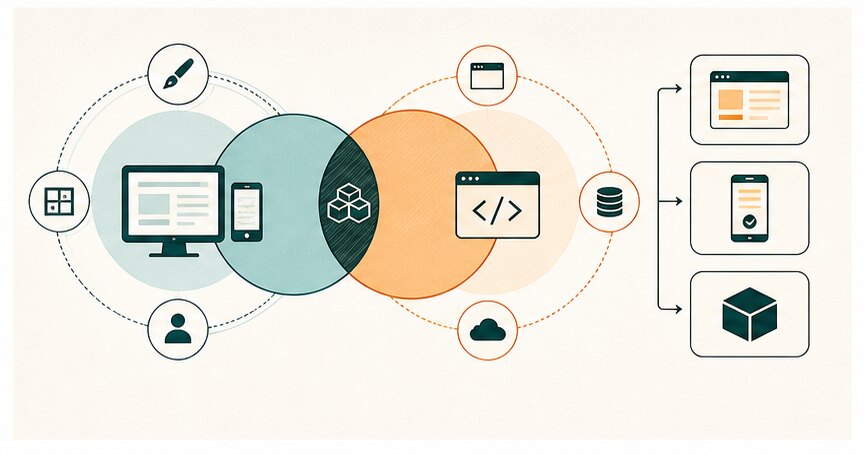
Enterprise software is powerful when the business process is clear. It becomes painful when companies buy a heavy system before they know how the work should flow.
The biggest enterprise software question is usually not “which platform is best?” It is “what operating logic should this platform support?”
Before committing to enterprise software, leaders should define:
- Which workflows are core
- Which data matters
- Who owns each process
- What needs automation
- What should remain human-reviewed
- Which reports drive decisions
- Which integrations are required
For growing operations, Hapy’s Business Systems & Automation work focuses on this layer: turning scattered tools, spreadsheets, workflows, and manual reporting into systems the business can actually trust.
SaaS software: fast to adopt, easy to over-accumulate
SaaS software is subscription-based software delivered online. AWS defines SaaS as cloud-based software that users typically access through a browser while the provider hosts and maintains the underlying service. It is attractive because teams can adopt it quickly without building infrastructure. That speed is useful, especially for startups and growing companies. If the decision is really about cloud responsibility, compare IaaS, PaaS, and SaaS before choosing a model.
The tradeoff is fragmentation. A business can end up with one tool for sales, one for support, one for project tracking, one for documents, one for analytics, one for billing, and several spreadsheets holding the real logic between them.
SaaS is usually the right choice when:
- The workflow is common and not a strategic differentiator.
- Speed matters more than customization.
- The team can adapt to the tool’s standard process.
- Integrations are available and reliable.
- The cost remains reasonable as usage grows.
SaaS is usually the wrong choice when the business keeps bending itself around the tool or paying for workarounds that never quite solve the real workflow.
Custom software: when the system should match the business
Custom software is built for a specific company, workflow, customer experience, or operating model. IBM distinguishes this from commercial off-the-shelf software by describing custom software as built for a particular organization, while commercial software is designed for broader market use. It is not automatically better than SaaS. It is better only when the custom fit creates enough value to justify the investment.
Custom software makes sense when:
- The workflow is core to how the business wins.
- Off-the-shelf tools force too much manual work.
- Data needs to move across systems in a specific way.
- Customers need a differentiated experience.
- Internal teams need one clear operating layer.
- The cost of tool sprawl is now higher than the cost of building.
The risk is overbuilding. A custom system should not become a vanity platform. It should start with the highest-leverage workflow and expand only when real usage proves the next layer is worth building.
How to choose the right type of software
Start with the business problem, then choose the software category. A good decision process looks like this:
- Name the workflow that is broken or underperforming.
- Identify who uses it and what decision or action depends on it.
- Decide whether the workflow is common or strategically specific.
- Check whether a standard SaaS tool can solve it without distorting the business.
- Map the required integrations and data sources.
- Estimate the cost of manual work, errors, delays, and missed visibility.
- Choose buy, configure, integrate, automate, or build.
Most companies do not need more software first. They need a clearer operating model, then the right software to support it. For browser-based tools, that often means deciding whether the company needs a standard SaaS product, a web-based application, or a custom operating layer.
That is the real value of understanding software types. It helps you avoid treating every problem like an app, every app like a product, and every process gap like something a new subscription can fix.