Saudi Arabia’s startup ecosystem is now one of the main venture markets in MENA, but founders should read that signal carefully. The capital is real, the government support is real, and the market is large. So are the expectations around localization, regulation, enterprise relationships, hiring, and execution quality.
For local founders and international teams thinking about launching in the Kingdom, the useful question is not only “is Saudi Arabia growing?” It is “what kind of product, team, market entry strategy, and local proof will work here?” Founders still need to decide whether they are ready for an accelerator, an incubator, or a tighter MVP build first.
Startup Ecosystem in Saudi Arabia: The Market
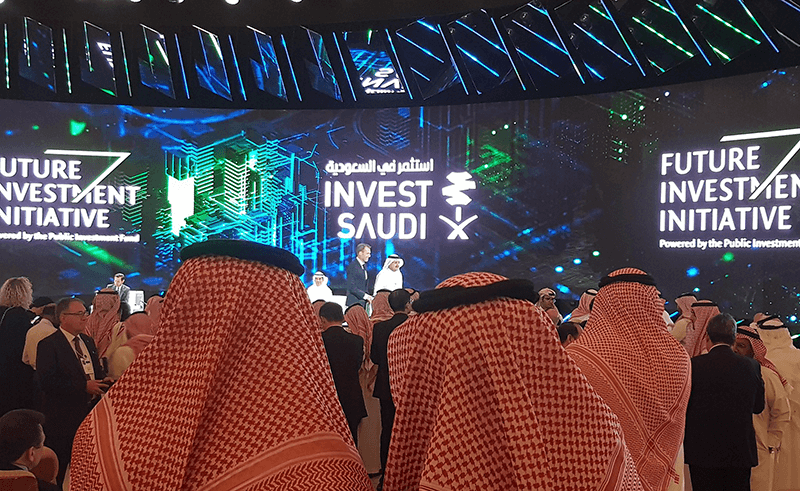
Saudi Arabia’s startup market entered 2026 with a stronger venture baseline than it had a year earlier.
- According to a MAGNiTT report cited by the Saudi Press Agency, total venture capital investment in Saudi Arabia reached $1.72 billion in 2025.
- The same report said Saudi Arabia recorded 257 VC transactions in 2025, the highest deal count ever recorded for the Kingdom.
- Saudi Arabia ranked first in MENA for venture capital investment in 2025 for the third consecutive year.
- The H1 2025 Saudi Arabia VC report, also cited by SPA, showed $860 million in VC deployment in the first half of 2025, already surpassing the full-year 2024 total.
The important interpretation: Saudi Arabia is no longer only an “emerging opportunity” story. It is a market where founders can raise meaningful capital, but investors and customers are also becoming more selective. Teams need sharper positioning, local market understanding, and a clearer path from first product to repeatable adoption.
What’s Fueling the Startup Ecosystem in Saudi Arabia?
Saudi Arabia’s startup growth isn’t random…. it’s the result of coordinated effort, shifting mindsets, and favorable market conditions coming together at the right time.
Here’s what’s driving it:
1. National Vision & Government Support
As part of Vision 2030, Saudi Arabia is working to move beyond oil and become a global leader in innovation. Startups are seen as a key part of that future. It’s not just about reducing oil dependency; the entire country is being restructured to support innovation and private sector growth.
Agencies like Monsha’at and the National Technology Development Program (NTDP) are rolling out initiatives that help startups grow beyond borders. Programs like MCIT’s CODE (Center of Digital Entrepreneurship) and the National Entrepreneurship Committee are building regulatory infrastructure to support founders from day one.
2. Funding That Scales With Ambition
Startup accelerators and incubators are actively supporting entrepreneurs in the country. More capital is flowing into the ecosystem than ever before…from both public and private sources.
The Public Investment Fund (PIF) is backing multi-billion-dollar funds like STV and Jada. Saudi Venture Capital Company (SVC) co-invests with local VCs to unlock capital at every stage.
Others like Wa’ed (Aramco’s VC arm) and the KAUST Innovation Ventures support seed to growth-stage startups.
What’s changed is not just the size of the checks… it’s the consistency. Investors are now betting bigger and more often.
That trend has continued into 2026 across the wider region. In our latest funding snapshot, we covered how MENA startups raised $563M in January 2026, with Saudi startups still pulling meaningful early-stage capital.
For the latest regional operating view, see our 2026 guide to the MENA startup ecosystem and what founders should do differently now.
For a global view of what investors now reward, compare that regional picture with the wider startup funding trends in 2026, especially the shift toward AI concentration, capital efficiency, and stronger MVP evidence.
3. Regulatory Reforms Built for Founders
As checked September 8, 2026, MISA’s updated Investment Law guidance says a foreign investor must register with MISA before engaging in investment activities, then obtain commercial registration and the necessary activity-specific authorizations. Restricted and excluded activities require separate attention. Foreign ownership and eligibility therefore need review for the actual activity; a general ownership percentage is not a complete setup rule.
Residency and permission to conduct a business are separate questions. Confirm the applicable immigration route and conditions independently of investment registration and sector licensing.
The Financial Sector Development Program’s 2024 annual report describes increasing SMEs’ share of bank financing to 20% by 2030 as a policy target. It is not evidence that every bank must currently allocate that share or approve a particular startup’s loan.
4. A Young, Digital-First Population
Audience age, nationality, location, and buying power vary by segment. Validate the demographic profile of the customers you intend to serve rather than applying an unsourced national age percentage.
Digitization in sectors like retail, finance, and healthcare has reshaped daily life in Saudi Arabia. These are all areas where startups can introduce faster, more innovative services and find an eager audience.
5. A Cultural Shift Toward Entrepreneurship
Perhaps most important is the mindset shift. Starting a company is no longer seen as a risky detour. It’s becoming a legitimate and respected career path. More young Saudis are building, more families are supporting it, and more talent is entering the ecosystem with the belief that startups aren’t just a phase… they’re the future.
Key Sectors Driving Growth
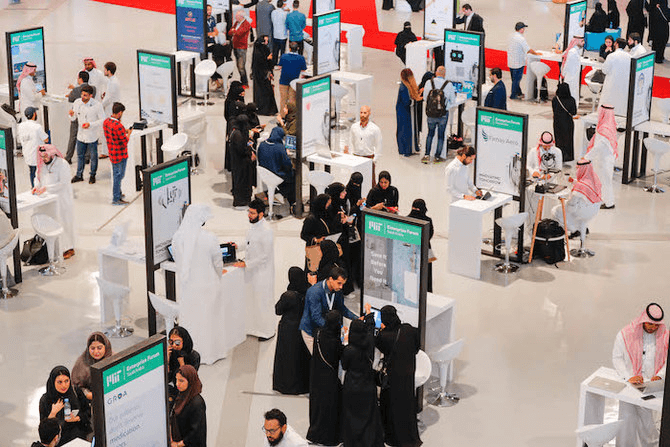
Saudi startups are active across all kinds of industries, but a few are seeing especially strong momentum:
1. Fintech
Fintech is an active area to investigate, but this guide does not establish that it receives a majority of all venture deals. Funding value, deal count, and company adoption measure different things and require a named reporting period.
For payments, lending, wallets, and other financial workflows, confirm the relevant Saudi Central Bank or other regulator’s authorization route before a pilot. A sandbox admission is bounded permission to test under its conditions, not a general license to operate.
2. E-commerce, Retail & Logistics
Consumer behavior in Saudi is increasingly digital. Startups are meeting this demand with everything from on-demand grocery apps to large-scale online marketplaces. Digital supply-chain innovation, food delivery platforms, retail operations tools, and last-mile logistics continue to attract attention because they connect directly to consumer demand and operating efficiency. That same shift is visible in the wider ecommerce market in the Middle East.
3. AI, Enterprise Software & Deep Tech
There’s growing interest in AI, machine learning, cybersecurity, data infrastructure, and enterprise software. Saudi government entities and large enterprises are actively investing in digital transformation, which creates room for startups that can solve real workflow problems rather than simply adding AI branding.
For founders, the opportunity is practical: Arabic-first AI products, enterprise automation, cybersecurity, internal systems, sector-specific copilots, and tools that help large organizations move from strategy to execution. For more context, see our guide to the future of AI in the Middle East.
4. Healthtech & Edtech
As healthcare access and education modernization become national goals, startups are jumping in to fill the gaps. In healthtech, telemedicine, diagnostics, and wellness apps are taking off.
In edtech, online learning and workforce upskilling platforms are in demand, driven by the country’s young population and emphasis on economic diversification.
5. Green Tech & Smart Cities
Saudi Arabia’s mega-projects like NEOM, The Line, Qiddiya are fueling investment in clean energy, mobility, IoT, sustainability, and smart infrastructure.
Startups working in sustainability, environmental tech, and infrastructure digitization are finding more support and relevance than ever.
6. Media & Entertainment
Cultural liberalization has opened the doors to new industries. From AR/VR gaming to local content production, Saudia is seeing a new wave of startups in entertainment tech. With global film festivals, esports tournaments, and large-scale events happening locally, the Kingdom is positioning itself as a creative hub in the region.
In short: there’s no shortage of opportunities, and the market is big enough to support lots of different types of innovation.
Key Startup Hubs Across the Country
While you’ll find startups all over Saudi Arabia, a few cities stand out:
-
Riyadh is the heart of the action… home to most VCs, tech companies, accelerators, and events. Major players like Google Cloud and Amazon have also opened offices here.
-
Jeddah is gaining momentum, especially in logistics and commerce.
-
Eastern Province may suit founders seeking industrial and energy-sector customers; validate the specific buyer and partner network. KAUST is in Thuwal on the western Red Sea coast, as its official contact page confirms, and should not be presented as an Eastern Province institution.
-
NEOM…the massive futuristic city in the northwest, is still under development, but already attracting innovation and deep-tech startups.
Each city brings something different to the table, whether it’s talent, funding, or proximity to major projects and industries.
Considerations for Entrepreneurs
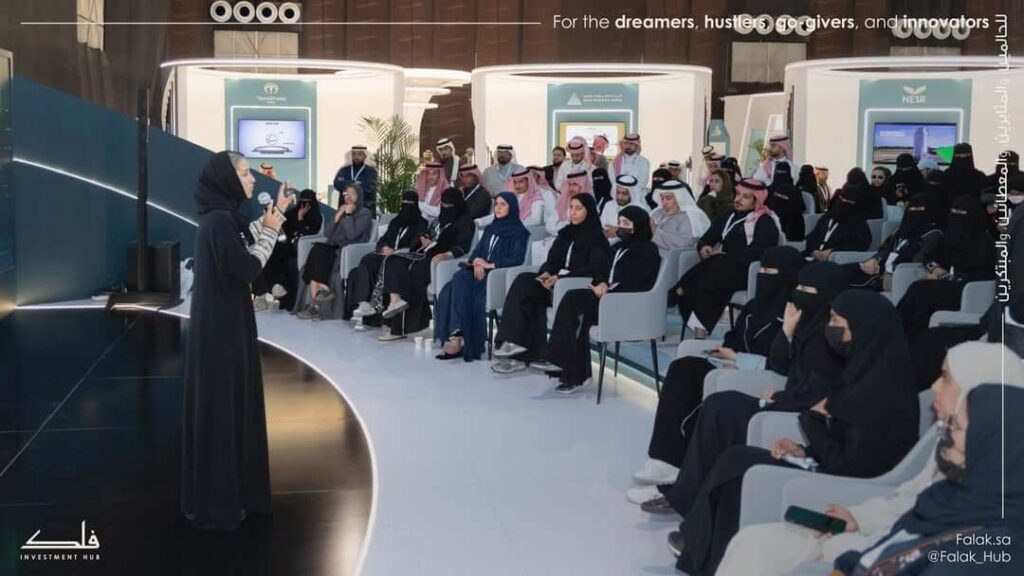
Saudi Arabia is opening up fast but it’s still a market that requires thoughtful entry. If you’re planning to build or expand your startup here, here are some important things to keep in mind:
1. Business Setup
Map the exact business activity and ownership structure first. Use MISA’s official registration guidance to confirm investor eligibility and restricted activities, then follow the commercial-registration and competent-authority licensing steps for that activity. Separately review immigration, employment, tax, municipal, banking, and data obligations with the relevant authorities or qualified advisers. An investor residency approval does not replace those authorizations.
Ask a program operator which support applies to your company, which fees are covered, and which approvals remain your responsibility. Do not budget a waiver or accelerated approval until eligibility is confirmed.
That said, the cost of doing business can still be high. Office space, salaries, and general living expenses are steeper compared to many other countries in the region. This is why many early-stage founders look for funding, grants, or incubator support right from the start.
2. Market & Cultural Fit
Saudi Arabia is a unique and culturally rich market. Products that work elsewhere might need to be adapted to fit local preferences, social norms, or language. For international founders, teaming up with a Saudi co-founder or hiring locally can help with smoother entry and more relevant decision-making. The same context matters when working with Arab clients in the Middle East.
A Saudi launch can support wider Gulf expansion, but each market has its own buyers, distribution, and operating requirements. Base the opportunity estimate on reachable customers rather than an undated regional economic total.
3. Regulatory Environment
The legal landscape in Saudi is becoming more startup-friendly, but some sectors like fintech and healthcare still have strict licensing requirements. It’s worth noting that the government offers “sandbox” environments where startups can test products under more flexible rules. These are particularly useful if you’re working in new or heavily regulated industries, or if your product depends on the SaaS market in KSA and enterprise cloud adoption.
Still, regulations can shift quickly. Founders need to stay updated on policies like Saudization (which requires a percentage of Saudi hires), especially as they grow their teams.
4. Challenges to Expect
Even with strong government support, building a business in Saudi has its challenges. Finding the right talent remains a hurdle, especially for technical and leadership roles. And while seed and early growth capital is increasingly available, there’s still a gap when it comes to late-stage funding and exit opportunities—things are improving, but slowly.
There’s also rising competition as more founders enter the scene. The startups that succeed will be the ones that stand out clearly, either through a unique product, deeper local insight, or just sharper execution.
What Founders Should Validate Before Building in Saudi Arabia
Saudi Arabia can reward ambitious products, but founders should still validate the basics before building too much. The market is not one generic GCC segment. A product may need Arabic-first flows, local payment methods, sector-specific compliance, enterprise procurement readiness, and a sales motion built around trust.
Founders comparing regional launch bases can use the UAE startup ecosystem guide to evaluate Dubai and Abu Dhabi alongside the Saudi opportunity.
Before investing heavily, validate:
- The first customer segment: government, enterprise, SME, consumer, or a specific vertical.
- The local workflow: how the user solves the problem today, who approves change, and which systems already exist.
- The buying path: whether the customer needs a pilot, procurement cycle, reseller, partner, or direct self-serve flow.
- The product language: Arabic, English, bilingual UX, right-to-left interface needs, and support expectations.
- The regulatory surface: fintech, health, logistics, education, data, and cybersecurity requirements can change the build.
- The proof point: paid pilot, signed LOI, usage milestone, operational saving, or retention signal.
For founders turning an idea into a first product, Hapy’s MVP development for KSA founders page explains how to shape a market-ready version one around validation instead of overbuilding.
Resources for Founders
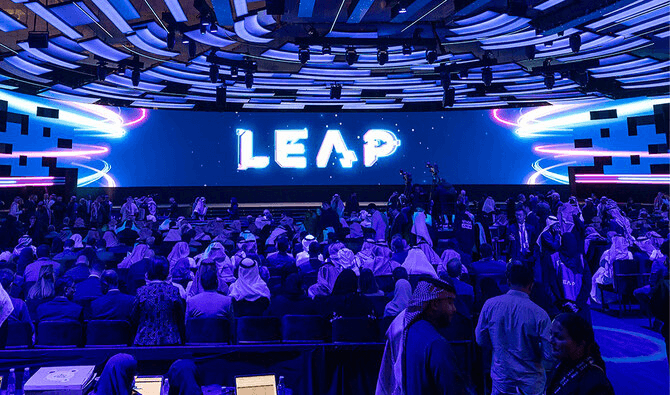
If you’re building in Saudi Arabia or planning to, there are a lot of resources available to help you get started. For web-heavy products, it is also worth comparing web development companies in Saudi Arabia before choosing a local or remote build partner:
-
Incubators & Accelerators like Flat6Labs, KAUST, and Misk support early-stage startups.
-
Government support through Monsha’at and SVC offers training, funding, and mentorship.
-
Startup events like LEAP, STEP, and Web Summit Qatar are now major international gatherings for founders, investors, and ecosystem partners.
-
Online portals make it easier to set up a company or apply for a license without tons of paperwork.
-
Coworking spaces and tech parks are popping up in every major city.
One challenge? Talent. Hiring local and technical talent is still tough (and expensive), so many startups are working remotely or tapping global teams. But overall, support for founders is stronger than ever.
What You Should Keep in Mind
Saudi Arabia is one of the most founder-friendly places to start a business in the region, but there are still a few things to be aware of:
-
Startup costs are relatively high (think: office space, salaries, and compliance).
-
You’ll need to localize… from product language to payment methods, adapting to the Saudi market is key.
-
Some sectors are regulated, especially fintech, health, and logistics. Make sure you’re clear on the legal setup.
-
Hiring talent takes time, especially if you’re trying to balance Saudization requirements.
The good news? Most of these challenges are well-known, and there’s usually a workaround or support program available to help you figure it out.
Why Saudi Arabia and Why Now?
Saudi Arabia isn’t just a promising place to start a business; it’s one of the most active, well-funded startup ecosystems in the region.
The combination of capital, government backing, and a growing culture of innovation makes it a powerful launchpad for new ideas.
If you’re a Saudi or foreign founder looking to build something new, this might be the right time and the right place. The support is there. The capital is flowing. And the market is paying attention.
Now it’s just about making the most of the momentum.
Let’s Build Together
Hapy Co works with early-stage and scaling startups to help them launch faster, test smarter, and grow with fewer missteps. Whether you need product design, development support, or a partner who understands how things move in the region, we’re here to help.
If you are a founder, review engagement options how we can bring your idea to life in Saudi Arabia.