Why Hapy
Some teams build a flywheel. Others push uphill forever.
Great teams keep things simple. The work is clear, ownership is clear, and the people doing the work can make decisions. But most teams drift away from this over time. Hiring slows things down, process grows, and decisions move further from the work. AI has made intelligence cheap. Speed is the real advantage now. So we built Hapy to work differently.

Freelancers disappear when things get messy. You end up doing the thinking, the coordination, and carrying the risk while delivery slips.
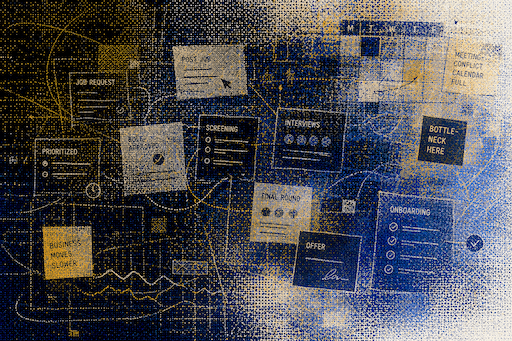
Hiring feels safe. But hiring takes time. By the time the role is open, filled, and onboarded, the bottleneck has already slowed the business.

Big agencies sell processes as safety. In reality you get layers, paperwork, and people too far from the work to move fast.
Access to talent is no longer enough. The real edge is judgment, capability, and execution moving together.

How we turn hard problems into forward motion.
01
Find what’s actually slowing things down
ClarityYou know that problems look bigger than they are right? We start by finding the real bottleneck. Once that’s clear, the work focuses on the thing that will actually move the business forward.
02
Bring the right capabilities together
CapabilityProduct thinking, design, AI, and engineering come together around the same problem. The work stays in one place instead of being split across vendors or disconnected teams.
03
Execute with ownership
MomentumWe move quickly, communicate clearly, and keep decisions close to the work. Progress keeps moving instead of getting stuck in process or paperwork.
Why working with Hapy feels different
Most teams separate thinking from doing. Strategy sits in one room while execution happens somewhere else. We keep them together, and that changes everything.
Taste and judgment stay close to the work
The people doing the work stay close to the decisions. That means better trade-offs, clearer priorities, and less wasted motion.
High agency beats passive coordination
We push progress forward. Decisions get unblocked, problems get solved early, and work keeps moving. Tons of hours are saved by avoiding rework and useless drag.
Low bureaucracy keeps momentum alive
You talk directly to the people doing the work. Fewer layers. Fewer handoffs. The work stays lean enough to move quickly and disciplined enough to stay sharp.
Speed that lasts
Moving fast for a week is easy. Keeping momentum is hard. We build systems for quality, reporting, and accountability so the work stays sharp.
Engagements
Start with the engagement that fits how you need to move
Not every challenge needs the same setup. Some demand speed, others need deeper thinking, and some need a small team that can fully own the outcome. We shape the engagement around the pace, complexity, and ownership the work demands.
"Hapy brought the kind of judgment, ownership, and follow-through that kept the work moving and made the outcome better."




trusted by teams worldwide

Built around the work
Hard problems are manageable. Bad team setups make them heavier. When context is split, decisions slow down and coordination grows. We set up each engagement around the problem, not the other way around.
Most teams have AI. Very few have advantage.
Access is everywhere. Leverage is rare.
The market already has the tools. The real divide is between teams turning AI into leverage and teams still experimenting. Execution quality is where the advantage comes from. Capability-dense teams move faster than slow hiring loops or fragmented vendors.
What changes when one team can think and execute
You get speed without chaos, standards without bureaucracy, and a team that can make decisions and move the work forward without waiting on handoffs.

Taste and judgment applied where the business is actually stuck.
Technical leadership without the overhead of building a larger org first.
AI and automation used where they create leverage, not noise.
Design and product thinking embedded in execution, not bolted on later.
Direct communication with the people doing the actual work.
Fewer handoffs, fewer layers, and fewer stalled decisions.
Faster pivots when strategy, product, and delivery live under one roof.
Operational discipline that keeps speed from turning into chaos.
Clear ownership on the work that matters most right now.
Better follow-through on problems that are too important to delegate loosely.
When strategy, product, AI, design, and execution stop fighting each other, the business gets calmer and faster at the same time.

“They were patient, adaptable, and responsive whenever we needed them. Hapy understood the circumstances, kept moving, and delivered the work with care.”
Twila Kate McDonald
Founder, TwoWayDigital Ireland
284%
Revenue lift after launch improvements
6+ yrs
Ongoing product partnership









Questions teams ask before they switch models
The point is not to buy a prettier process. The point is to choose a model that actually helps the business move better.
Sometimes that is the right move. The problem is speed. Scoping the role, opening the search, filtering candidates, closing the hire, and getting them fully effective takes time. If the bottleneck is already hurting the business, waiting can be the more expensive option.

If the work is important, the model matters.
Talk to Hamid about what is stuck, what feels too hard to delegate, and what kind of team would actually help the business move.